

As people grow older, the desire to remain in their own homes becomes increasingly important. Aging in place—staying in one’s home safely and independently as long as possible—requires thoughtful planning and specific modifications tailored to the evolving needs of older adults. A well-prepared home promotes autonomy, prevents injuries, and provides peace of mind for both the aging individual and their loved ones. This guide offers a comprehensive room-by-room overview to help future-proof your home for the years ahead.
Entryways and Exterior Safety
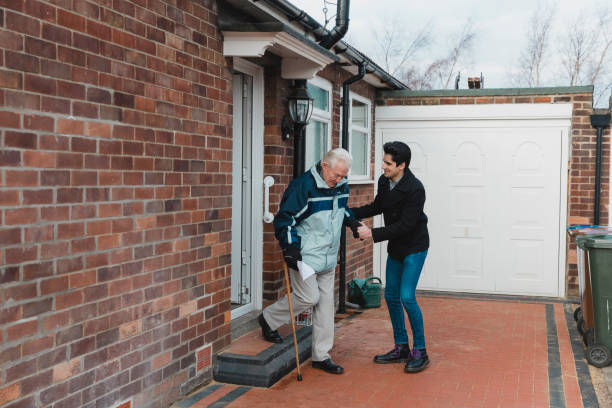
The first step to aging in place begins before one even crosses the threshold. Entryways should be well-lit and accessible to prevent falls and ensure easy movement.
Install a zero-step entrance or a sturdy ramp with non-slip surfaces. Motion-sensor lighting around pathways and the front door improves visibility. Door handles should be lever-style rather than knobs, as they are easier to use for those with arthritis or limited hand strength. Consider widening doorways to at least 36 inches to accommodate walkers or wheelchairs.
Living Room: Comfort Meets Functionality
The living room is a primary gathering space, and its design should strike a balance between comfort and mobility. Remove rugs or use low-pile options with non-slip backing to prevent tripping hazards. Furniture should be sturdy and easy to get in and out of—avoid deep, low-seated sofas and instead opt for firm cushions with arms for support.
Lighting is essential: layer ambient lighting with task lighting and ensure switches are accessible. Replace traditional toggle switches with rocker or touch controls for ease of use.
Kitchen: Enhancing Access and Safety
Kitchens can pose a variety of hazards, from sharp objects to high shelves. Aging in place requires making this space both safer and more convenient.
Install pull-out shelves and lazy Susans in cabinets to reduce the need for bending or stretching. Use D-shaped drawer pulls instead of knobs. Position the microwave at counter height to minimize lifting. Non-slip flooring is essential, as are temperature-controlled faucets to avoid accidental burns. Consider investing in appliances with large, easy-to-read controls and automatic shut-off features.
Bathroom: Prioritizing Mobility and Prevention
Statistically, bathrooms are one of the most dangerous areas in the home for older adults. Fortunately, modifications can dramatically improve safety.
Start with installing grab bars near the toilet and in the shower or bathtub. Consider replacing the tub with a walk-in shower that includes a built-in bench and a handheld showerhead. Non-slip tiles or rubber mats are essential for preventing slips. A raised toilet seat or comfort-height toilet can ease the strain on joints. Motion-sensor lighting also helps during nighttime visits.
Bedroom: Fostering Rest and Accessibility
Aging in place requires creating a restful and easily navigable bedroom environment. The bed should be at a comfortable height for easy entry and exit, usually 20–23 inches off the floor. Keep a nightstand within easy reach, and make sure it has space for essential items like a lamp, phone, and medications.
Closets can be modified with lower rods and pull-down shelves to reduce the need for reaching. Add a chair or bench in the room to assist with dressing. Lighting should be layered and controllable from bed—consider adding a remote or smart lighting system.
Hallways and Staircases: Safe Passage Throughout
Hallways and stairways are transitional spaces that can become dangerous if not properly equipped. All pathways should be free of clutter and at least 36 inches wide to allow for walking aids. Install handrails on both sides of staircases and ensure steps are marked with contrast tape or tread for visibility.
Good lighting is essential—motion-activated lights can illuminate the way without requiring a switch. In multi-level homes, consider installing a stair lift or planning for a future main-floor bedroom conversion.
Laundry Room: Minimizing Strain and Reach
The laundry room is often overlooked in aging-in-place planning, yet it presents its challenges. Front-loading washers and dryers are more accessible than top-loading models. Place them on risers to reduce the need for bending. Create workspace surfaces at standing or seated height and use open shelving or labeled bins to organize laundry supplies within easy reach.
Anti-fatigue mats and slip-resistant flooring improve both comfort and safety in this high-utility space.
Technology Integration: Enhancing Independence
Smart home technology can significantly support aging in place. Voice-controlled assistants, video doorbells, fall detection sensors, and automated lighting or thermostat systems all provide an additional layer of safety and autonomy.
Emergency alert systems should also be considered, especially for those living alone. These tools offer peace of mind while reinforcing the person’s ability to live independently.
Final Thoughts: Planning Today for Tomorrow’s Comfort
Preparing a home for aging in place is not simply about adding safety features—it’s about crafting an environment that evolves with the individual’s needs. By making thoughtful, room-specific modifications, homeowners can maintain control over their daily routines and enjoy the comfort of familiar surroundings well into the future.
Whether adapting a current residence or designing a new one with aging in place in mind, this room-by-room approach ensures that safety, accessibility, and dignity remain front and center in the years ahead.
Recent Comments